

7 COMMON CHICKEN DISEASES IN THE RAINY SEASON AND HOW TO PREVENT THEM
The rainy season is a time when poultry farmers need to pay special attention to the health of their chickens. High humidity, wet litter, sudden temperature changes, and inadequate ventilation can create favorable conditions for many pathogens to develop. Therefore, chicken diseases in the rainy season are an issue that should be proactively prevented from the beginning.
In particular, chicks, chickens after the brooding period, or flocks raised at high stocking densities may be more susceptible to stress and weakened resistance when the weather changes. Respiratory diseases, digestive diseases, infectious diseases, and bacterial diseases may occur, leading to reduced feed intake, slower growth, and lower farming efficiency.
So, what are the common chicken diseases in the rainy season, what signs should farmers look for, and what can be done to reduce the risk of disease? Let's explore the details with Vietvet Pharma below.
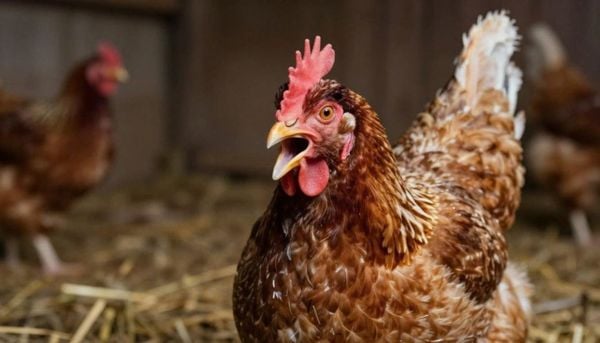
1. Respiratory Diseases in Chickens
One of the main concerns related to chicken diseases in the rainy season is respiratory disease.
High humidity, fluctuating temperatures, poor ventilation, dust, and accumulated toxic gases can increase the risk of respiratory problems. Common concerns include infectious bronchitis (IB), chronic respiratory disease associated with Mycoplasma, and secondary bacterial infections.
Signs to Watch For
- Sneezing, coughing, and wheezing.
- Nasal discharge or respiratory secretions.
- Difficulty breathing or open-mouth breathing.
- Reduced feed intake, fatigue, and slow growth.
- Chickens huddling together when temperatures drop.
Respiratory signs can occur with various diseases. Therefore, when chicken diseases in the rainy season show respiratory symptoms, farmers should not determine the cause based solely on wheezing or sneezing.
Prevention
Maintain good ventilation while avoiding direct drafts. Control dust, toxic gases, and humidity inside the poultry house, while keeping the litter dry.
2. Coccidiosis in Chickens During the Rainy Season
Chicken diseases in the rainy season also commonly involve digestive problems, particularly coccidiosis.
Coccidiosis in chickens is caused by protozoa of the genus Eimeria and primarily affects the intestinal tract. Wet litter can create favorable conditions for coccidian oocysts to survive and spread.
Signs to Watch For
- Depression, ruffled feathers, and reduced feed intake.
- Diarrhea with watery or mucoid feces.
- Dark-colored or bloody feces, depending on the Eimeria species and severity of intestinal damage.
- Dehydration, weight loss, and poor growth.
- Uneven flock development.
Not all cases of coccidiosis result in bloody feces. Diagnosis should be based on clinical signs, lesions, and laboratory testing when necessary.
Prevention
Farmers should keep the litter dry, manage manure properly, and avoid excessive accumulation of feces. Stocking density should also be controlled appropriately.
A coccidiosis prevention program should be developed based on flock conditions and professional veterinary guidance.
3. Newcastle Disease – An Important Infectious Disease
Among chicken diseases in the rainy season, Newcastle disease is an important infectious disease that poultry farmers need to pay attention to.
Newcastle disease is caused by a virus and can spread rapidly throughout a flock. Rain itself does not directly cause Newcastle disease. However, adverse weather conditions, stress, poor hygiene, or inadequate biosecurity may contribute to disease emergence and spread.
Signs of Newcastle Disease
- Depression, reduced feed intake, or refusal to eat.
- Coughing, difficulty breathing, or other respiratory signs.
- Diarrhea, including watery or greenish feces in some cases.
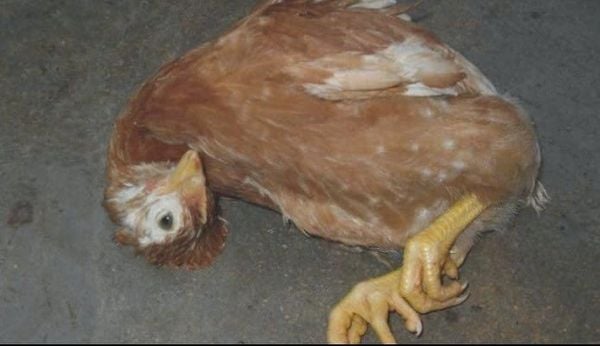
- Tremors, loss of balance, twisted neck, or other neurological signs.
- Mortality rates may vary depending on the virus strain and the flock's immune status.
Prevention
Vaccination according to an appropriate program for each flock is an important measure for preventing Newcastle disease.
Farmers should also control the movement of people and vehicles into poultry areas, disinfect equipment, and limit contact between healthy and suspected infected flocks.
4. Gumboro Disease in Chickens
Another disease that should be considered when dealing with chicken diseases in the rainy season is Gumboro disease, also known as infectious bursal disease (IBD).
Gumboro disease is caused by IBDV and primarily affects young chickens. The disease damages the immune system, potentially reducing the chickens' immune response and making them more susceptible to secondary infections.
Signs to Watch For
- Depression and ruffled feathers.
- Reduced feed intake.
- Diarrhea with white or watery feces.
- Dehydration and weakness.
- Increased mortality in some flocks.
Prevention
Vaccination programs should be developed according to the chickens' age, antibody status, and farming conditions.
In addition to vaccination, farmers should properly clean and disinfect poultry houses and control the movement of people and equipment between different areas.
When abnormal signs are detected in a flock at risk of chicken diseases in the rainy season, the underlying cause should be identified rather than focusing only on treating symptoms.
5. Necrotic Enteritis in Chickens
Necrotic enteritis is commonly associated with the bacterium Clostridium perfringens. The disease may occur when the intestinal lining is damaged, the gut microbiota becomes unbalanced, or favorable factors such as coccidiosis, inappropriate feed, and poor farming conditions are present.
This digestive problem should also be considered when preventing chicken diseases in the rainy season, particularly in flocks where housing conditions and feed management are not properly controlled.
Signs to Watch For
- Reduced feed intake.
- Slow growth and uneven flock development.
- Loose or abnormal feces.
- Reduced feed efficiency.
- Sudden death in severe cases.
Prevention
Properly manage feed and drinking water, control coccidiosis, maintain suitable litter conditions, and minimize stress in the flock.
If necrotic enteritis is suspected, veterinary assessment is recommended to distinguish it from other intestinal diseases.
6. Fowl Cholera in Chickens
Fowl cholera is a disease caused by the bacterium Pasteurella multocida. It can occur in chickens of various ages and may develop in either acute or chronic forms.
Under conditions associated with chicken diseases in the rainy season, stress and poor housing conditions may contribute to an increased risk of disease.
Signs of Fowl Cholera
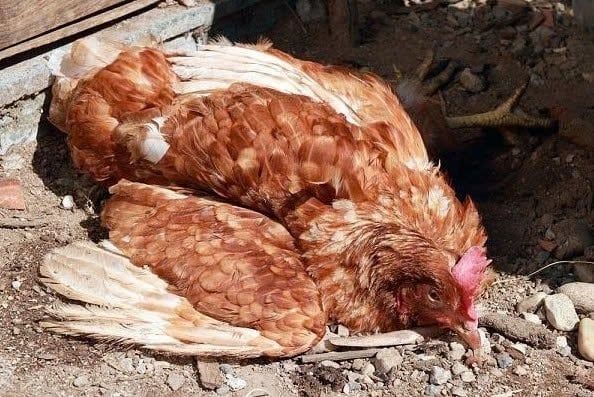
- Depression and reduced feed intake.
- Fever and reduced activity may occur.
- Diarrhea or abnormal feces.
- Difficulty breathing or respiratory signs.
- Bluish discoloration of the comb and wattles in some cases.
- Acute cases may cause rapid death.
Prevention
Keep poultry houses clean and dry, control the quality of feed and drinking water, and limit contact between healthy flocks and birds that may carry pathogens.
Vaccination may be used according to a program appropriate for the disease risk in the local area.
7. E. coli Disease in Chickens
E. coli is another factor to consider when addressing chicken diseases in the rainy season.
Escherichia coli can be present in the poultry environment and gastrointestinal tract. Some strains can cause disease, particularly when chickens are stressed, have respiratory diseases, or are exposed to poor hygiene, inadequate ventilation, or unsafe drinking water.
Signs to Watch For
- Reduced feed intake, weakness, and slow growth.
- Respiratory signs may occur.
- Diarrhea or abnormal feces.
- Some cases may involve airsacculitis, pericarditis, or perihepatitis.
- Mortality depends on the severity of infection and secondary diseases.
Prevention
Farmers should provide clean drinking water, control feed quality, maintain adequate ventilation, and minimize stress factors.
Farmers should not use antibiotics without first determining the underlying cause. Many poultry diseases have similar symptoms, and antimicrobial resistance should also be taken into consideration.
8. Effective Ways to Prevent Chicken Diseases in the Rainy Season
To reduce chicken diseases in the rainy season, farmers should implement several preventive measures together rather than focusing only on treatment after chickens become sick.
Keep the Poultry House Dry
Check the roof, drainage system, and drinkers regularly. Any areas with leaks or wet litter should be addressed promptly.
Prolonged wet litter can increase the risk of pathogen development and make chickens more susceptible to stress.
Ensure Proper Ventilation
Adjust the ventilation system to reduce the accumulation of toxic gases and humidity. However, avoid exposing chickens to cold conditions or direct drafts.
Manage Feed and Drinking Water
Feed should be stored in a dry place and protected from moisture and mold. Feeders and drinkers should be cleaned regularly.
The drinking water provided to chickens should be clean and suitable for poultry farming requirements.
Strengthen Biosecurity
Limit unauthorized people from entering poultry housing areas. Equipment, footwear, and vehicles should be properly cleaned and controlled.
Farmers should also limit contact between healthy flocks and flocks showing signs of disease.
Monitor the Flock Every Day
To detect chicken diseases in the rainy season early, farmers should monitor:
- Feed and water intake.
- Fecal condition.
- Breathing sounds and respiratory signs.
- Activity levels.
- Mortality rate.
- Flock uniformity.
Early detection of abnormal changes gives farmers more time to investigate the cause and take appropriate action.
Follow the Vaccination Program
Vaccination schedules should be developed based on chicken breed, age, immune status, farming conditions, and the local disease situation.
Vaccination is an important part of disease prevention but cannot replace proper hygiene, biosecurity, and poultry house management.
Important Considerations for Preventing Chicken Diseases in the Rainy Season
When implementing measures to prevent chicken diseases in the rainy season, farmers should not focus on just one factor. Flock health depends on multiple factors, including the environment, nutrition, biosecurity, vaccination, and overall health status.
In particular, when chickens show abnormal signs, farmers should monitor the condition of the entire flock rather than observing only a few individual birds.
If chickens show severe symptoms, unusual mortality, or no improvement in their condition, farmers should contact a veterinarian to identify the cause and determine an appropriate course of action.
Conclusion
Chicken diseases in the rainy season can involve various groups of diseases, including respiratory diseases, digestive diseases, infectious diseases, and bacterial diseases. Wet litter, temperature fluctuations, poor ventilation, unsafe drinking water, and inadequate hygiene can increase the risk of disease development and transmission.
To proactively prevent chicken diseases in the rainy season, farmers should keep poultry houses dry, ensure proper ventilation, control feed and drinking water, strengthen biosecurity, follow an appropriate vaccination program, and monitor the flock every day.
Proactive disease prevention can help reduce potential losses and support healthy, stable growth of chickens under changing weather conditions.
Vietvet Pharma is committed to supporting farmers with practical livestock farming knowledge, helping them maintain healthy flocks and proactively prevent chicken diseases in the rainy season.
