

AVIAN INFLUENZA IN CHICKENS: SYMPTOMS, RISKS, PREVENTION STRATEGIES
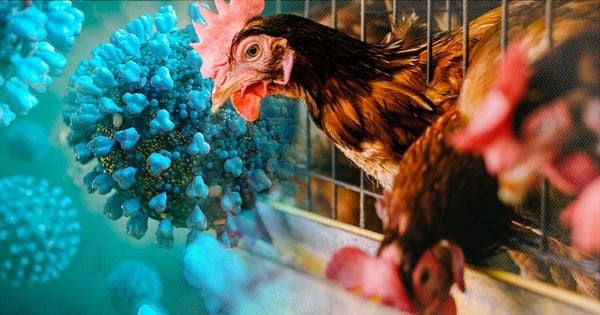
Avian influenza, commonly known as bird flu, is a contagious viral disease that can affect chickens and other bird species. Avian influenza poses a serious challenge to poultry farming because certain strains can spread rapidly, cause severe illness, and lead to high mortality rates. Understanding the symptoms, transmission routes, and prevention strategies is essential for protecting poultry health and reducing economic losses.
For poultry farmers, early recognition and effective biosecurity are key to reducing the risk of disease spread. This guide explores the main symptoms of avian influenza in chickens, its potential risks, and practical prevention measures to support better poultry farm management.
What Is Avian Influenza in Chickens?
Avian influenza is an infectious disease caused by influenza A viruses that primarily affect birds. These viruses are classified according to their hemagglutinin (H) and neuraminidase (N) surface proteins.
Avian influenza viruses are generally classified as low pathogenic avian influenza (LPAI) or highly pathogenic avian influenza (HPAI), based on their biological characteristics and the disease they cause in susceptible poultry.
Low pathogenic strains may cause mild or no obvious clinical signs, while highly pathogenic avian influenza can cause severe illness and substantial mortality in chickens.
Because symptoms can resemble those of other poultry diseases, visual observation alone cannot confirm avian influenza. Veterinary investigation and appropriate laboratory testing are necessary for accurate diagnosis.
Common Symptoms of Avian Influenza in Chickens
The symptoms of avian influenza in chickens vary depending on the virus strain, the age of the birds, and the severity of infection. Some affected flocks may deteriorate rapidly, making early recognition especially important.
1. Sudden Death and Increased Mortality
Sudden death among apparently healthy birds can be a warning sign of highly pathogenic avian influenza. In severe outbreaks, mortality may increase rapidly, sometimes before farmers observe other obvious symptoms.
Unexpected deaths involving multiple birds should be reported promptly to a veterinarian or the relevant animal health authority.
2. Respiratory Symptoms
Infected chickens may show respiratory signs, including coughing, sneezing, nasal discharge, and difficulty breathing. Swelling around the head and face may also occur.
These symptoms are not unique to avian influenza and can be associated with other poultry diseases. Professional assessment is essential to determine the cause.
3. Reduced Feed Intake and Activity
Chickens affected by avian influenza may eat less, become lethargic, or show reduced movement. Changes in water consumption and unusual flock behavior may also indicate a health problem.
Monitoring feed intake, water consumption, and daily activity can help farmers identify abnormalities early.
4. Swelling and Changes in Skin Color
Some infected birds may develop swelling of the head, comb, or wattles. Darkening or bluish discoloration of these areas may occur in severe cases.
These signs should be treated as warning indicators rather than definitive proof of avian influenza.
5. Reduced Egg Production
In laying hens, avian influenza may cause a sudden decline in egg production. Changes in eggshell quality or appearance may also occur.
A sharp production decline accompanied by increased mortality or respiratory symptoms requires prompt veterinary attention.
How Does Avian Influenza Spread?
Understanding the transmission of avian influenza is essential for developing effective prevention measures. The virus can spread through direct contact with infected birds and indirect contact with contaminated materials.
Common transmission routes include:
- Infected birds: Domestic poultry and wild birds may introduce the virus into susceptible flocks.
- Contaminated equipment: Feeders, drinkers, cages, tools, and transport vehicles can carry infectious material.
- Human movement: Contaminated footwear, clothing, and equipment may transfer the virus between locations.
- Bird secretions and feces: Infected birds can contaminate their surroundings through respiratory secretions and droppings.
- Poultry transportation: Moving birds between farms, markets, and other facilities can increase opportunities for disease transmission.
Wild birds may contribute to the spread of certain avian influenza viruses. The actual risk depends on local conditions, bird movements, and the virus involved.
Risks of Avian Influenza in Poultry Farming
An outbreak of avian influenza in poultry can have serious consequences for farmers, particularly when highly pathogenic strains are involved.
High mortality and production losses: Severe infections can cause extensive bird deaths and reduce egg production, disrupting farm operations.
Economic damage: Farmers may face additional expenses related to disease investigation, cleaning, disinfection, movement restrictions, and official control measures.
Trade disruptions: Outbreaks may lead to restrictions on poultry movements and international trade, depending on local regulations and disease-control policies.
Animal welfare concerns: Severe disease can cause significant suffering, making prompt veterinary assessment and appropriate control measures essential.
Certain avian influenza viruses can also infect humans. People should avoid contact with sick or dead birds and follow veterinary and public health guidance to reduce exposure risks.
Effective Prevention Strategies for Avian Influenza
Preventing avian influenza requires consistent biosecurity, daily flock monitoring, and compliance with official animal health measures. No single intervention can eliminate every risk, but combining several preventive practices can reduce opportunities for the virus to enter and spread within a poultry farm.
1. Strengthen Farm Biosecurity
Limit access to poultry houses and allow entry only to authorized personnel. Use dedicated footwear and clothing, maintain hand hygiene, and establish clear procedures for visitors, vehicles, and equipment.
2. Maintain Proper Cleaning and Disinfection
Remove organic material before applying an appropriate disinfectant because dirt and organic matter can reduce disinfectant effectiveness.
Clean and disinfect housing surfaces, equipment, and vehicles according to product instructions, including the recommended contact time.
3. Prevent Contact With Wild Birds
Protect poultry feed and drinking water from contamination by wild birds. Repair openings in poultry houses, store feed securely, and remove spilled feed promptly.
These practices can reduce opportunities for wild birds to contaminate the farm environment.
4. Monitor Flock Health Daily
Observe chickens for changes in behavior, feed intake, water consumption, egg production, respiratory symptoms, and mortality.
Keep accurate records and promptly report unusual patterns, especially sudden deaths or rapidly increasing illness.
5. Manage Poultry Movements Carefully
Source birds from reliable suppliers and follow applicable animal health requirements when introducing new poultry.
Avoid unnecessary movement of birds, equipment, and personnel between farms. If avian influenza is suspected, follow official instructions concerning movement restrictions and containment.
6. Follow Official Vaccination Programs
Vaccination may form part of avian influenza control programs in certain regions. However, its use depends on local regulations, circulating virus strains, and official veterinary guidance.
Vaccination does not replace biosecurity, surveillance, or outbreak reporting. Farmers should follow the recommendations of qualified veterinary professionals and the relevant animal health authority.
What Should Farmers Do If Avian Influenza Is Suspected?
If several chickens die unexpectedly or show signs consistent with a serious infectious disease, farmers should take immediate precautions.
- Restrict movement: Avoid moving birds, poultry products, equipment, and vehicles from the affected area unless authorized.
- Contact veterinary authorities: Report the suspected outbreak to a veterinarian or the relevant local animal health authority.
- Avoid direct handling: Do not handle, slaughter, open, or dispose of sick or dead birds without appropriate official guidance.
- Protect people: Keep unauthorized individuals away and follow recommended protective measures.
- Follow official instructions: Cooperate with veterinary authorities regarding investigation, sampling, containment, and disease-control procedures.
There is no simple home treatment that reliably cures highly pathogenic avian influenza. Antibiotics do not treat the virus, although a veterinarian may prescribe them for certain secondary bacterial infections when appropriate.
Conclusion
Avian influenza remains a major concern for poultry farmers because it can spread through infected birds and contaminated environments, cause substantial mortality, and disrupt farm operations. Understanding its symptoms, transmission routes, and potential consequences is essential for effective poultry health management.
By strengthening biosecurity, monitoring flock health daily, limiting contact with wild birds, and following official vaccination and surveillance programs where applicable, farmers can reduce disease risks. When avian influenza is suspected, prompt reporting and compliance with veterinary authority instructions are critical to protecting poultry, farm workers, and the wider community.
Prevention starts with awareness, consistent monitoring, and responsible farm management. Working closely with veterinary professionals helps poultry producers build safer and more resilient farming operations.
With Vietvet, Farmers Be Happy.
