

CHICKEN MOLTING: HOW TO PROVIDE PROPER CARE AND NUTRITION
Chicken molting is a natural physiological process in which old feathers gradually fall out and are replaced by new ones. During this period, nutrition, housing conditions, and management practices play an important role in maintaining flock health and supporting feather quality. If the diet does not meet the birds' nutritional requirements or the rearing environment is unsuitable, feather regrowth may be slow, new feathers may be of poor quality, and the birds' body condition may deteriorate. So, how should chickens be cared for during molting, and which nutrients should be provided to support healthy feather development? This article will help poultry farmers understand the process and apply appropriate management practices.
1. What Is Chicken Molting and Why Does It Occur?
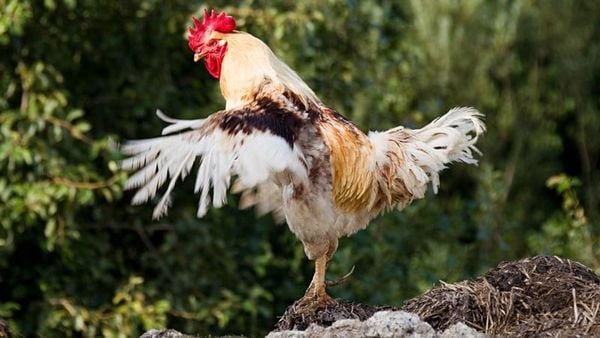
Chicken molting is the natural process in which old feathers are shed and replaced by new ones as part of the bird's normal development cycle. Feathers protect the skin, help regulate body temperature, and support normal daily activities.
The timing and duration of molting can vary depending on the chicken breed, age, housing conditions, nutritional status, and lighting schedule. In adult chickens, molting may become more noticeable. In laying hens, natural molting is often associated with changes in reproductive activity and egg production.
Several factors can influence the molting process:
Natural physiological cycles: This is the primary cause of normal molting in adult chickens.
Lighting duration: Light exposure influences reproductive cycles and molting, particularly in laying hens.
Nutrition: Insufficient protein, amino acids, vitamins, or certain minerals may affect the quality of new feathers.
Stress and housing conditions: Unfavorable temperatures, overcrowding, transportation, and sudden environmental changes can affect flock health.
Parasites and diseases: Mites, lice, skin diseases, and other health problems can cause abnormal feather loss.
It is important to distinguish normal physiological molting from feather loss caused by disease or unsuitable management conditions. If chickens lose feathers in large patches, scratch excessively, develop skin lesions, or become weak, farmers should investigate the underlying cause rather than assume that the condition is normal molting.
2. Signs That Chickens Are Molting
Recognizing chicken molting at the right time helps farmers adjust management practices and monitor flock health more effectively.
2.1. Old Feathers Gradually Fall Out
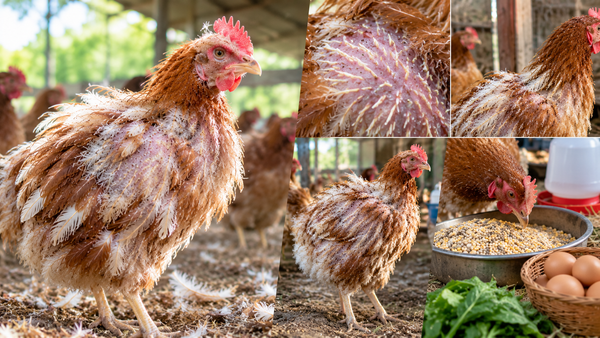
One of the most noticeable signs is increased feather shedding, which may occur around the neck, back, wings, or tail. New feathers gradually develop and replace the old ones.
The extent and sequence of feather loss can vary among individual birds. Farmers should observe the flock as a whole while checking the skin and general health of individual chickens for any unusual signs.
2.2. New Feathers Begin to Grow
As new feathers develop, small pin feathers may appear on the skin. Over time, these feather shafts open and develop into fully formed feathers.
During this stage, farmers should minimize activities that may injure the skin, prevent feather pecking, and ensure that the birds receive a nutritionally balanced diet.
2.3. The Plumage Becomes Sparse or Uneven
When old feathers have fallen out but new ones have not fully developed, the plumage may appear sparse or uneven. This can be a normal part of the molting process.
However, prolonged feather loss, poor regrowth, skin injuries, or excessive scratching may indicate parasites, feather pecking, or nutritional imbalances that require further investigation.
2.4. Changes in Feed Intake and Egg Production
Some chickens may experience changes in activity levels or feed intake during molting. In laying hens, egg production may decline or temporarily stop during natural molting.
However, a marked reduction in feed intake, weight loss, or lethargy should not be considered a normal feature of molting. Farmers should assess the birds' health and management conditions to determine the cause.
3. Proper Management Practices for Molting Chickens
Appropriate care helps chickens maintain their body condition, minimize stress, and create favorable conditions for new feather growth.
3.1. Keep the Poultry House Clean and Well-Ventilated
During molting, farmers should clean the poultry house regularly and remove manure and wet litter. Feeders and drinkers should be cleaned routinely to reduce contamination and disease risks.
The housing environment should be well-ventilated, maintained at a suitable temperature, and protected from direct drafts. Litter should remain dry, with dust and ammonia accumulation kept under control.
For floor-raised chickens, litter moisture must be monitored carefully. For cage-raised birds, adequate space and suitable housing conditions are important to prevent injuries and reduce feather pecking.
3.2. Minimize Stress Factors
Stress caused by transportation, handling, environmental changes, or overcrowding can affect flock health and production performance. Farmers should therefore avoid unnecessary changes during the molting period.
Feeders and drinkers should be positioned appropriately so that all birds can access feed and water easily. Feather pecking should also be monitored, especially in densely stocked flocks or where nutritional imbalances may occur.
For laying hens, farmers should not change lighting schedules or induce molting without an appropriate management plan. Lighting programs should be based on the birds' age, breed, production purpose, and professional guidance.
3.3. Provide Clean and Sufficient Drinking Water
Water is essential for metabolism and normal physiological functions. Farmers should provide clean drinking water continuously and clean drinkers regularly.
During hot weather or when feed intake declines, farmers should check whether the birds have adequate access to water and adjust housing conditions as necessary.
3.4. Monitor Health and Feather Quality Daily
Farmers should observe their flock daily to monitor feather loss, new feather development, feed intake, and activity levels.
If abnormal feather loss, skin redness, scabs, excessive scratching, or feather pecking occurs, the underlying cause should be investigated. Depending on the situation, these problems may be associated with parasites, stress, overcrowding, or an unbalanced diet.
4. What Nutrients Should Be Provided to Molting Chickens?
Nutrition plays an important role in the formation and development of new feathers. However, not every flock requires additional nutritional supplements during molting. The first priority is to provide a complete and balanced diet that meets the birds' actual nutritional requirements.
4.1. Protein and Amino Acids
Feathers are composed primarily of keratin, a structural protein. Therefore, when chickens are molting, their diet must provide sufficient protein and essential amino acids to support new feather formation.
Several important amino acids include:
Methionine: An essential sulfur-containing amino acid involved in protein synthesis and important for feather development.
Cysteine and cystine: Sulfur-containing amino acids that contribute to the structure and strength of keratin in feathers.
Lysine: An essential amino acid required for protein synthesis and normal body growth.
Farmers should use feed with appropriate protein and amino acid levels for the chicken type, age, and production purpose. Excessive protein intake or the indiscriminate supplementation of individual amino acids should be avoided because an unbalanced diet may reduce nutrient utilization efficiency.
4.2. B-Complex Vitamins
B-complex vitamins participate in energy metabolism and the utilization of nutrients in the body. Vitamin deficiencies may affect the birds' health and normal development.
To support chickens during molting, farmers should ensure that the diet supplies adequate amounts of B vitamins according to nutritional requirements. Supplements should only be used when necessary, following the product label instructions and avoiding unnecessary combinations of products with overlapping ingredients.
4.3. Vitamin A, Vitamin E, and Minerals
Vitamin A helps maintain healthy skin and epithelial tissues. Vitamin E contributes to protecting cells against oxidative damage. Zinc and certain other minerals are also essential for physiological processes related to skin, feathers, and overall health.
However, vitamin and mineral supplementation should be based on the flock's requirements and the nutrients already present in the feed. If the diet already provides sufficient amounts, additional supplementation will not necessarily accelerate feather growth.
Excessive intake of certain vitamins or minerals can cause nutritional imbalances, negatively affect health, and increase production costs.
4.4. Use High-Quality Feed Suitable for Each Production Stage
Feed should come from a reliable source, be stored properly, and remain free from mold. Farmers should select diets appropriate for the birds' age, breed, and production purpose while monitoring actual feed consumption.
Unnecessary or sudden feed changes should be avoided. When a change is required, it should be introduced according to appropriate feeding guidelines to help the flock adapt.
If chickens experience prolonged poor appetite or unusually slow feather regrowth, farmers should check feed quality, housing conditions, and the birds' health before increasing feed quantities or introducing supplements.
4.5. Should Nutritional Supplements Be Used During Molting?
In some situations, farmers may consider vitamin, mineral, or amino acid supplements if the existing diet does not meet the birds' nutritional requirements.
When selecting a supplement, farmers should check its ingredients, intended animal species, and manufacturer instructions. Multiple products containing the same nutrients should not be combined without evaluating the total nutrient intake from the diet.
It is important to remember that supplements cannot replace complete feed, clean drinking water, or appropriate management practices. If chickens exhibit abnormal feather loss, skin lesions, or deteriorating health, the underlying cause should be identified before using supportive nutritional products.
5. Common Mistakes to Avoid When Caring for Molting Chickens
Certain management mistakes can affect flock health and the quality of newly grown feathers.
Providing vitamins while neglecting protein and amino acids: Feathers require protein as a building material. If the diet lacks sufficient protein or essential amino acids, vitamin supplementation alone will not correct the primary nutritional problem.
Increasing protein intake or providing excessive supplements without proper assessment: The diet must remain balanced. More supplementation does not necessarily result in faster feather growth.
Changing feed abruptly: Inappropriate changes in the diet may affect feed intake and the birds' ability to adapt.
Allowing damp, dusty, or poorly ventilated housing conditions: Unsuitable environments may increase respiratory and skin disease risks and cause stress.
Ignoring parasites and feather pecking: Mites, lice, and feather pecking can cause feather loss and skin injuries. These problems should be investigated and managed according to their underlying causes.
Overlooking signs of poor health: Reduced feed intake, weight loss, diarrhea, or unusual mortality should not automatically be attributed to molting.
For laying hens, farmers should also avoid inducing molting or changing lighting programs without appropriate technical guidance.
6. When Should Abnormal Molting Be Investigated?
During normal physiological molting, chickens generally maintain relatively stable body condition. However, farmers should pay attention if the flock shows any of the following signs:
Feather loss in large patches or feather shedding that continues unusually long.
Poor new feather growth, red skin, scabs, or skin lesions.
Excessive scratching, frequent feather pecking, or signs of external parasites.
A marked reduction in feed intake, weight loss, lethargy, or reduced activity.
Additional symptoms such as breathing difficulties, diarrhea, or unusual mortality.
When these signs occur, farmers should assess the feed ration, water quality, housing environment, stocking density, and potential external parasite infestations. If the condition persists or signs of disease develop, veterinary professionals should be consulted to identify the cause and recommend appropriate management or treatment.
7. Conclusion
Chicken molting is a natural physiological process, but the quality of new feathers and the overall health of the flock are still influenced by nutrition, housing conditions, and management practices. To support healthy molting, farmers should maintain clean, well-ventilated housing, provide sufficient drinking water, and ensure a balanced diet, particularly with adequate protein and essential amino acids.
Vitamins and minerals should also be supplied according to the birds' actual requirements, without excessive supplementation when the existing diet already meets their needs. Farmers should regularly monitor the flock to distinguish normal molting from feather loss caused by parasites, nutritional imbalances, or disease.
Proper management, a suitable feeding program, and early identification of abnormal signs can help protect flock health, reduce unnecessary costs, and improve long-term poultry production efficiency.
