

DUCK VIRAL HEPATITIS: WHY ARE DUCKLINGS AT HIGHER RISK?
Ducklings that appear healthy suddenly lose their appetite, walk unsteadily, experience convulsions, and then die unexpectedly? These may be warning signs of Duck Viral Hepatitis – one of the most dangerous infectious diseases, capable of causing severe losses in young duck flocks.
What makes this disease particularly concerning is its rapid progression and high transmission rate, which may leave farmers with little time to respond. Ducklings in their first few weeks of life are especially vulnerable, with a higher risk of infection and mortality than older ducks.
So, why are ducklings more susceptible to viral hepatitis? How can farmers recognize the disease early and prevent it effectively?
1. What Is Duck Viral Hepatitis?
Duck Viral Hepatitis (DVH) is an acute infectious disease caused by viruses. It primarily affects ducklings under 6 weeks of age, especially those in the first 3 weeks after hatching.
The disease is characterized by sudden onset, rapid progression, liver damage, and potentially very high mortality rates in ducklings without protective immunity.
The causative agents include Duck Hepatitis A Virus (DHAV) strains and certain viruses belonging to the Duck Astrovirus group.
Among them, DHAV-1 is one of the most common and highly virulent pathogens, posing a serious threat to the duck farming industry.
Notably, mortality rates can reach up to 95% in completely susceptible duckling flocks, particularly during the first week of life.
For this reason, Duck Viral Hepatitis remains a major threat to farms that have not implemented effective disease prevention and biosecurity measures.
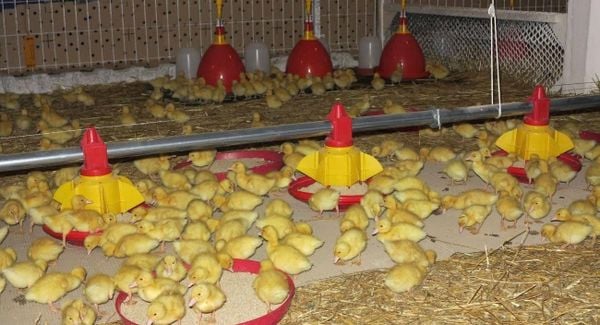
2. Why Are Ducklings at High Risk of Duck Viral Hepatitis?
It is no coincidence that Duck Viral Hepatitis frequently occurs and causes severe consequences in young ducklings.
Several factors make the early stages of life the period when ducklings are most vulnerable.
2.1. The Immune System of Ducklings Is Not Fully Developed
During the first few days after hatching, the immune system of ducklings is still developing, and their ability to fight off pathogens remains limited.
Ducklings can receive protective antibodies from their mothers through the egg. However, the level of protection depends on the immune status of the parent flock and the amount of antibodies transferred to the offspring.
If ducklings do not receive sufficient specific antibodies, they are highly susceptible to viral infection when exposed to pathogens.
This is one of the major reasons why Duck Viral Hepatitis can cause high mortality in ducklings under one week of age.
2.2. The Virus Can Spread Rapidly
Duck Hepatitis Virus can spread directly between infected and healthy ducks or indirectly through contaminated environments.
Common transmission routes include:
Contaminated drinking water and feed.
Feces and waste from virus-carrying ducks.
Farm equipment, utensils, and flooring that have not been properly cleaned.
Footwear, clothing, and vehicles carrying pathogens into farming areas.
Contact with duck flocks or other waterfowl whose health status is unknown.
In intensive farming systems, the virus can spread rapidly, especially when ducks are raised at high stocking densities and lack adequate immune protection.
2.3. Improper Brooding Conditions
The brooding period plays a crucial role in the health and development of ducklings.
If brooding temperatures are unstable, bedding remains damp, stocking density is too high, or ventilation is poor, ducklings may experience stress and reduced resistance.
Although these conditions do not directly cause viral hepatitis, they can increase exposure to pathogens and affect the flock's ability to withstand disease challenges.
Therefore, proper brooding management is an important measure for reducing the risk of disease outbreaks.
2.4. The Parent Flock Lacks Adequate Immunity
One factor that is often overlooked is the immune status of the breeding flock.
When parent ducks have not been appropriately vaccinated, their offspring may not receive sufficient maternal antibodies to help protect them against the virus during the first days of life.
Therefore, establishing an appropriate vaccination program for the parent flock is particularly important in preventing Duck Viral Hepatitis.
3. Signs of Duck Viral Hepatitis in Ducklings
Duck Viral Hepatitis can progress extremely rapidly. In some cases, ducklings may die shortly after clinical signs appear.
For DHAV infections, the incubation period is generally around 18–48 hours.
Farmers should pay particular attention when their flocks show the following signs:
Early Stage
Ducklings may exhibit several abnormal changes, including:
Sudden reduction in feed intake or complete loss of appetite.
Lethargy, weakness, and reduced activity.
Difficulty walking and loss of balance.
Spending more time lying down and appearing weak.
Progressive Stage
As the disease becomes more severe, ducklings may develop characteristic neurological signs:
Convulsions and continuous paddling movements of the legs.
Inability to stand steadily.
Lying on their sides with the head and neck sharply extended backward.
Sudden death shortly after severe symptoms appear.
Among these signs, backward extension of the head and neck combined with convulsions and sudden death is a characteristic warning sign that requires particular attention.
However, these clinical signs alone are not sufficient to confirm Duck Viral Hepatitis. Farmers should contact a veterinarian for proper examination and accurate diagnosis.
4. Typical Lesions of Duck Viral Hepatitis
When examining ducks suspected of having the disease, characteristic lesions are usually concentrated in the liver.
Common pathological findings may include:
Abnormally enlarged liver.
Multiple hemorrhagic spots or patches on the liver surface.
Possible enlargement of the spleen with uneven discoloration.
Possible kidney enlargement and renal vascular congestion.
Among these findings, an enlarged liver accompanied by hemorrhages is one of the important indicators suggesting Duck Viral Hepatitis.
However, certain other diseases can also cause similar lesions.
To identify the causative pathogen accurately, veterinarians may recommend RT-PCR testing or other specialized diagnostic methods.
Farmers should not rely solely on visible lesions to determine the cause of disease.
5. How Serious Are the Economic Losses Caused by Duck Viral Hepatitis?
For commercial duck farms and breeding operations, Duck Viral Hepatitis can result in substantial economic losses.
First, mortality rates can rise rapidly. In duckling flocks without immunity, the number of deaths may increase significantly within a short period, especially when an outbreak is detected late.
Second, direct production costs can be lost. Farmers may lose a substantial portion of their investment in ducklings, feed, brooding electricity, labor, and daily care.
Third, farming schedules can be disrupted. When an outbreak occurs, farms must implement isolation, cleaning, disinfection, and disease-control measures, interrupting normal production activities.
For large-scale farms, the consequences can be even more serious if the pathogen spreads to multiple farming areas.
Therefore, proactive disease prevention always provides greater long-term benefits than focusing solely on responding after an outbreak has already occurred.
6. Effective Ways to Prevent Duck Viral Hepatitis
To reduce the risk of Duck Viral Hepatitis, farmers should combine multiple management and disease-prevention measures.
6.1. Implement Proactive Vaccination
Appropriate vaccination is one of the key measures for controlling viral hepatitis in ducks.
For breeding flocks, vaccination programs can help stimulate antibody production, allowing maternal antibodies to be transferred to ducklings and provide protection during their early stages of life.
Under certain conditions, suitable vaccines may also be administered directly to ducklings according to professional recommendations.
However, the effectiveness of protection depends on the vaccine type, circulating viral strains, and the immune status of the flock.
Therefore, farmers should consult a veterinarian to establish an appropriate vaccination schedule rather than applying the same program to every farm.
6.2. Maintain Proper Hygiene and Biosecurity
Biosecurity is essential for preventing viruses from entering farms and spreading within duck flocks.
Farmers should:
Clean and disinfect poultry houses regularly.
Control the quality of drinking water and feed.
Restrict the entry of visitors and vehicles into farming areas.
Avoid raising ducklings together with older ducks or flocks of unknown health status.
Control rodents and minimize contact with wild waterfowl.
Dispose of waste and dead ducks in accordance with regulations.
In particular, when introducing new flocks, farmers should ensure that housing areas have been properly cleaned, disinfected, and prepared before introducing the ducklings.
6.3. Provide Proper Care During the Brooding Period
Ducklings need to be raised under suitable temperature, humidity, and stocking-density conditions.
Brooding houses should have adequate ventilation while avoiding direct drafts. Bedding must be kept clean and dry, with waste accumulation minimized.
In addition, farmers should provide clean drinking water and high-quality feed that meets the nutritional requirements of young ducklings.
Proper care helps ducklings develop healthily, reduces stress, and improves their ability to withstand unfavorable environmental conditions.
6.4. Monitor Flock Health Regularly
During the first few weeks of life, farmers should observe their ducklings every day.
Pay particular attention to warning signs such as sudden loss of appetite, unsteady walking, convulsions, or unexplained deaths.
When suspected cases are detected, the affected flock should be isolated promptly, movement should be restricted, and a veterinarian should be contacted for professional guidance.
The earlier the disease is detected, the greater the opportunity to limit its spread.
7. What to Do When Duck Viral Hepatitis Is Suspected
Currently, there is no widely used specific antiviral medication for the treatment of Duck Viral Hepatitis.
However, under certain circumstances, veterinarians may consider appropriate specific immunological measures depending on the causative pathogen and the actual disease situation.
When ducklings show suspected symptoms, farmers should:
Contact a veterinarian promptly for diagnosis.
Isolate suspected infected flocks and restrict duck movement.
Collect and dispose of dead ducks according to proper procedures.
Strengthen cleaning and disinfection measures throughout the farming area.
Ensure access to clean drinking water and suitable care conditions.
Implement supportive care measures under professional guidance.
It is important to note that antibiotics are ineffective against the viruses responsible for Duck Viral Hepatitis. Antibiotics should only be used when prescribed by a veterinarian to address secondary bacterial infections.
Farmers should not use medications without professional guidance or apply unverified treatment methods.
8. Conclusion
Duck Viral Hepatitis is one of the most dangerous infectious diseases affecting ducklings, particularly during their first few weeks of life when their immune systems are still developing.
The disease can progress rapidly, cause severe liver damage, and result in high mortality rates among flocks without protective immunity.
To minimize losses, farmers should prioritize appropriate vaccination, proper brooding management, consistent farm hygiene, and regular monitoring of flock health.
