

DUCKLING CARE: 7 ESSENTIAL TIPS FOR HEALTHY DUCKLINGS
Proper duckling care is essential for raising healthy ducklings and supporting strong growth from the first day of life. Young ducklings need suitable warmth, clean drinking water, balanced nutrition, good ventilation, and a hygienic living environment. Without proper care, they may experience chilling, dehydration, poor growth, and an increased risk of health problems.
For poultry farmers, effective duckling care involves more than providing feed and water. It requires daily observation, appropriate brooding conditions, and preventive health management. By following practical management strategies, farmers can support duckling welfare, reduce preventable losses, and build a strong foundation for successful duck farming.
This guide covers seven essential duckling care practices to help farmers raise healthy, active, and well-developed ducklings.
Why is duckling care important?
The first weeks of a duckling's life are important for growth and development. During this period, ducklings need consistent access to suitable feed, clean water, and an environment that allows them to maintain a comfortable body temperature.
Poor duckling care can contribute to chilling, overheating, dehydration, nutritional deficiencies, and uneven growth. Wet bedding, inadequate ventilation, and overcrowding can also create unfavorable conditions for flock health.
Good management helps farmers identify potential problems early and maintain a comfortable brooding environment. Establishing consistent daily routines from the beginning also makes it easier to manage the flock as the ducklings grow.
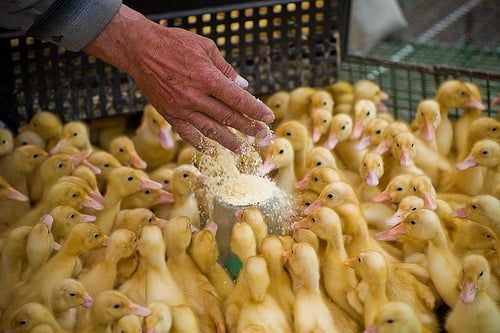
7 essential tips for duckling care
1. Maintain the Right Brooding Temperature
Temperature management is one of the most important aspects of duckling care, especially during the first days of life. Young ducklings need access to a suitable heat source because their ability to regulate body temperature is still developing.
A starting temperature of approximately 30–32°C at duckling level is commonly used during the initial brooding period. However, the appropriate temperature depends on the ducklings' age, breed, feather development, housing conditions, and the surrounding environment.
Farmers should monitor temperature with a thermometer and adjust heating gradually as the ducklings grow. Their behavior is also a useful guide. Ducklings crowded tightly beneath the heat source may be too cold, while those moving away from the heated area or panting may be too hot. Comfortable ducklings generally spread out and move around actively.
Effective duckling care means combining temperature measurements with behavioral observations instead of relying on a fixed temperature schedule alone.
2. Provide Clean Drinking Water at All Times
Clean drinking water is essential for hydration, digestion, and normal body functions. Good duckling care requires continuous access to fresh water in drinkers designed for young birds.
Ducklings should be able to dip their bills into the water to clean their nostrils. However, drinkers must be designed to reduce the risk of drowning, excessive splashing, and wet bedding.
Farmers should clean water containers regularly, replace contaminated water promptly, and check for leaks throughout the day. Keeping the area around drinkers dry helps maintain better hygiene and reduces the accumulation of moisture in the brooding environment.
Although ducks enjoy water, young ducklings should not be left unsupervised in deep water or exposed to conditions that could leave them chilled. Their access to swimming water should be appropriate for their age, feather development, and ability to dry and warm themselves.
Safe drinking water, suitable drinker design, and a dry resting area are essential elements of responsible duckling care.
3. Supply Balanced Feed for Healthy Growth
Proper nutrition supports muscle development, feather growth, bone development, and overall health. Effective duckling care includes providing a nutritionally balanced starter feed formulated for ducklings or an appropriate waterfowl diet.
The feed should supply adequate energy, protein, amino acids, vitamins, and minerals for the birds' age and growth stage. Fresh feed should be readily accessible, and feeders should be cleaned regularly to reduce contamination and waste.
Niacin, also known as vitamin B3, is particularly important for normal growth and leg development in ducklings. Farmers should select a feed that meets the nutritional requirements of growing ducks. If supplementation is needed, the amount should be determined according to the existing diet, the product instructions, and professional advice.
Farmers should not rely exclusively on household scraps or unbalanced homemade mixtures, as these may fail to meet essential nutritional requirements. Feed formulated for other poultry species should only be used when its nutrient composition and suitability for ducks have been confirmed.
Consistent feeding practices are an important part of duckling care and help support healthy, uniform flock development.
4. Keep the Brooding Area Clean and Dry
A clean and dry environment helps reduce unnecessary stress and supports good flock hygiene. Proper duckling care requires regular removal of wet bedding, spilled feed, and accumulated droppings.
Bedding materials should be absorbent, non-toxic, and suitable for young birds. Avoid slippery surfaces that interfere with normal movement, and replace bedding when it becomes wet or heavily contaminated.
Feeders and drinkers should be cleaned regularly, while housing and equipment should be cleaned and disinfected between flocks using suitable products according to their labels.
Because ducklings can spill considerable amounts of water while drinking, farmers should pay particular attention to areas around drinkers. Managing moisture helps maintain a more comfortable environment and reduces conditions that favor microbial growth.
5. Ensure Proper Ventilation Without Chilling Ducklings
Good ventilation removes excess moisture, dust, and harmful gases such as ammonia from the brooding area. However, direct cold drafts can make young ducklings uncomfortable, particularly during the early brooding period.
Effective duckling care balances fresh air with suitable warmth. Housing should allow continuous air exchange without directing strong airflow directly onto the birds.
Farmers should inspect the brooding area for condensation, damp bedding, excessive dust, and persistent unpleasant odors. These signs may indicate problems with ventilation, drainage, or litter management. When possible, appropriate measuring equipment can help assess air quality more reliably than smell alone.
Avoid sealing the housing completely to retain heat. Instead, manage heating, ventilation, and bedding together to maintain a comfortable environment as the ducklings grow.
6. Provide Enough Space and Observe Duckling Behavior
Overcrowding can increase competition for feed and water, contribute to wet bedding, and make it harder to maintain suitable air quality. Appropriate stocking density is therefore an important part of duckling care.
The amount of space required depends on the ducklings' age, breed, body size, housing design, and local management recommendations. As the birds grow, farmers should increase the available space and ensure that all ducklings can reach feeders and drinkers without excessive competition.
Daily observation helps farmers recognize problems early. Healthy ducklings are generally alert, active, and responsive to their surroundings. Warning signs include persistent huddling, lethargy, lameness, unusual breathing, poor appetite, or isolation from the group.
These signs do not confirm a specific disease, but they indicate that further assessment may be needed. Ducklings that appear ill should be monitored closely, and veterinary advice should be sought when symptoms persist, worsen, or affect multiple birds.
7. Follow Good Biosecurity and Preventive Health Practices
Biosecurity helps reduce the risk of infectious diseases entering and spreading through a flock. Strong duckling care routines should include clean equipment, controlled visitor access, and appropriate hygiene practices.
Farmers should wash their hands before handling ducklings, use dedicated footwear or clothing when appropriate, and avoid sharing equipment between flocks without proper cleaning and disinfection.
Newly introduced birds should be managed separately according to veterinary guidance. Feed and drinking water should be protected from contamination by wild birds, rodents, and other animals.
Vaccination and other preventive health measures should be selected according to local disease risks, the source of the ducklings, and veterinary recommendations. If several ducklings become sick or unexpected deaths occur, seek professional assistance promptly rather than relying on unverified treatments.
Consistent biosecurity and careful observation make duckling care more effective and help protect the health of the entire flock.
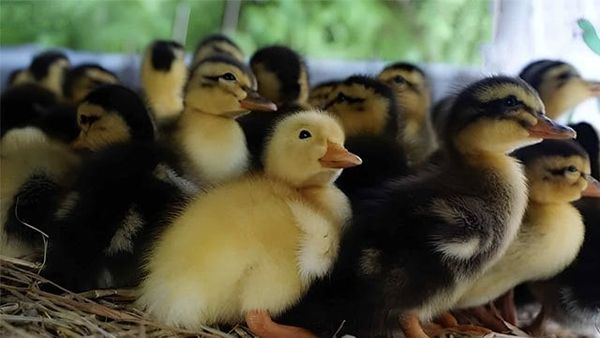
Common duckling care mistakes to avoid
Even small management mistakes can affect young birds. Common problems include unsuitable brooding temperatures, dirty drinking water, unbalanced feed, wet bedding, inadequate ventilation, and overcrowding.
Farmers should also avoid making sudden environmental changes without observing how the ducklings respond. Regular checks of temperature, water, feed, bedding, and bird behavior can help identify problems before they become more serious.
By following consistent routines and correcting problems early, farmers can improve daily management and support better flock development.
Conclusion
Successful duckling care starts with meeting the basic needs of young birds. Maintaining suitable brooding temperatures, providing clean drinking water, supplying balanced nutrition, keeping bedding dry, ensuring good ventilation, allowing enough space, and following biosecurity practices are seven essential steps for raising healthy ducklings.
Every flock has different requirements depending on age, breed, housing, and local conditions. Farmers should monitor duckling behavior daily, adjust management as the birds grow, and consult a veterinarian when health problems arise.
With consistent attention and preventive management, duckling care can help support healthy development, improve flock welfare, and establish a strong foundation for successful duck farming.
