

FINDING RELIABLE ANIMAL HEALTH PHARMACEUTICALS SUPPLIERS IN VIETNAM
The global livestock industry relies on veterinary medicines to protect animal health, manage diseases, and support sustainable food production. As international agricultural markets evolve, finding reliable animal health pharmaceuticals suppliers has become an important priority for veterinary medicine importers, distributors, and livestock businesses.
Vietnam has an established veterinary pharmaceutical manufacturing industry, offering international buyers opportunities to source animal healthcare products from domestic manufacturers. With companies investing in manufacturing facilities, quality management systems, and international business development, Vietnam represents a potential sourcing destination for veterinary pharmaceutical distributors.
However, selecting a trustworthy manufacturer requires careful consideration of product quality, manufacturing standards, regulatory documentation, and long-term supply capabilities.
Vietvet Pharmaceutical Joint Stock Company (Vietvet Pharma) is a Vietnamese veterinary pharmaceutical manufacturer specializing in veterinary medicines, aquatic animal healthcare products, and pharmaceutical distribution. With more than 20 years of industry experience and a GMP-WHO-certified manufacturing facility, Vietvet Pharma continues to develop its presence in domestic and international markets.
This article explores the key factors involved in selecting reliable animal health pharmaceuticals suppliers in Vietnam and explains how Vietvet Pharma supports veterinary pharmaceutical manufacturing and international business cooperation.
1. The Importance of Animal Health Pharmaceuticals in Modern Livestock Farming
Animal health pharmaceuticals play an essential role in maintaining livestock health, managing animal diseases, and supporting agricultural productivity.
Modern livestock production faces numerous health challenges, including infectious diseases, parasitic infections, nutritional deficiencies, and environmental stress.
Without appropriate veterinary healthcare, these challenges may affect animal welfare, production efficiency, and the economic sustainability of farming operations.
Veterinary pharmaceutical products help farmers and veterinarians manage animal health through appropriate prevention and treatment strategies.
Disease Prevention and Treatment
Veterinary medicines are used to prevent, control, and treat specific animal diseases according to their approved indications.
Appropriate diagnosis and professional veterinary guidance are essential for selecting suitable treatment options.
Supporting Livestock Productivity
Healthy livestock are better positioned to maintain normal growth, reproductive performance, and production efficiency.
Effective veterinary healthcare programs can help minimize production disruptions associated with animal diseases.
Improving Animal Welfare
Access to appropriate veterinary medicines supports timely treatment and helps reduce unnecessary animal suffering.
Supporting Responsible Animal Healthcare
Responsible veterinary medicine use is essential for protecting animal health while reducing risks associated with inappropriate antimicrobial use.
The World Organisation for Animal Health (WOAH) emphasizes the importance of responsible and prudent antimicrobial use to help address antimicrobial resistance.
For livestock businesses, reliable pharmaceutical suppliers are therefore an important part of broader animal healthcare management.
2. Why Vietnam Is a Potential Source of Animal Health Pharmaceuticals
Vietnam has a substantial agricultural sector supported by livestock production, veterinary services, and pharmaceutical manufacturing activities.
The country's veterinary pharmaceutical industry includes manufacturers producing medicines and healthcare preparations for terrestrial and aquatic animals.
International buyers exploring animal health pharmaceuticals suppliers in Vietnam can consider several factors.
Established Veterinary Pharmaceutical Manufacturing
Vietnam has veterinary pharmaceutical manufacturers operating facilities certified under applicable Good Manufacturing Practice requirements.
Good Manufacturing Practice (GMP) provides a framework for managing pharmaceutical manufacturing processes and maintaining consistent production conditions.
Manufacturers operating under GMP systems are expected to implement suitable procedures for quality management, production documentation, equipment maintenance, personnel training, and product testing.
These practices are particularly relevant for international importers evaluating the reliability of veterinary medicine manufacturers.
Availability of Different Veterinary Product Categories
Vietnamese veterinary pharmaceutical manufacturers offer a variety of products for livestock healthcare.
Depending on the manufacturer's approved production scope, available product categories may include:
Veterinary antibacterial medicines.
Antiparasitic medicines.
Anti-inflammatory veterinary products.
Injectable veterinary preparations.
Water-soluble veterinary medicines.
Vitamin and mineral supplements.
Veterinary nutritional products.
Aquatic animal healthcare products.
This diversity creates opportunities for distributors to identify manufacturers whose products align with the requirements of their markets.
Opportunities for International Distribution
International distributors need manufacturers capable of supporting product quality, technical communication, and regulatory documentation.
Vietnamese veterinary pharmaceutical companies can provide opportunities for importers seeking additional manufacturing partners and new veterinary product portfolios.
However, product availability and export eligibility must be evaluated individually according to the regulations of the destination country.
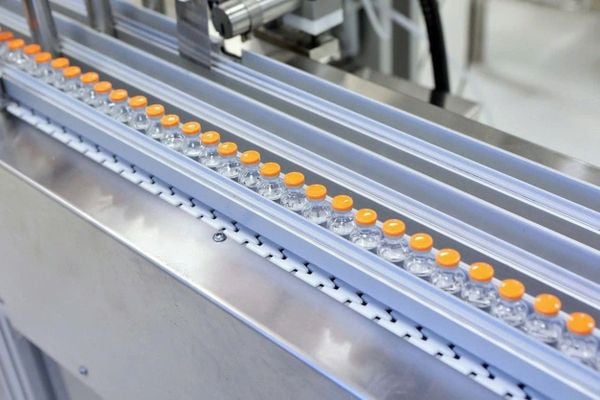
3. Key Factors When Choosing Reliable Animal Health Pharmaceuticals Suppliers
Selecting a reliable supplier requires more than comparing product prices.
International buyers should assess manufacturing qualifications, product specifications, quality control systems, and the manufacturer's ability to support commercial cooperation.
3.1 Manufacturing Standards and GMP-WHO Certification
Good Manufacturing Practice is an essential consideration in pharmaceutical manufacturing.
GMP requirements help manufacturers establish controlled production procedures and maintain consistent quality management practices.
Important manufacturing considerations include:
Production facilities and equipment.
Raw material handling and storage.
Manufacturing process controls.
Personnel qualifications and training.
Product testing and quality assurance.
Batch documentation and traceability.
Packaging and labeling operations.
Finished product storage conditions.
For international buyers, reviewing a manufacturer's valid GMP certification and its approved production scope is an important part of supplier qualification.
Vietvet Pharma states that its veterinary pharmaceutical manufacturing facility has received GMP-WHO certification from the Vietnamese veterinary authority.
The company also reports applying an ISO 9001 quality management system as part of its manufacturing and business operations.
These qualifications provide relevant information for importers evaluating Vietvet Pharma's manufacturing capabilities.
However, buyers should always verify certificate validity, approved dosage forms, and applicable product specifications before entering commercial agreements.
3.2 Quality Control and Product Consistency
Consistent product quality is essential when sourcing veterinary pharmaceutical products.
Manufacturers should maintain documented quality control procedures covering raw materials, manufacturing processes, and finished products.
Depending on the pharmaceutical formulation, quality testing may include:
Active ingredient identification.
Active ingredient content.
Physical and chemical characteristics.
Microbiological quality requirements.
Product stability assessments.
Compliance with applicable product specifications.
A Certificate of Analysis (COA) provides relevant analytical results for an identified product or manufacturing batch.
For international distributors, reviewing available quality documentation helps establish confidence in the manufacturer's quality management practices.
3.3 Regulatory Documentation for Veterinary Medicine Exports
Regulatory compliance is another important factor when selecting animal health pharmaceuticals suppliers.
Veterinary medicine import requirements vary significantly between countries.
Before exporting products, manufacturers and importers must determine the documentation and approval procedures applicable to the destination market.
Depending on the product and importing country's requirements, relevant documents may include:
Good Manufacturing Practice Certificate (GMP)
Provides evidence of compliance with applicable manufacturing requirements within the certificate's specified scope.
Certificate of Free Sale (CFS/FSC)
May be used in regulatory procedures to establish relevant product authorization or marketing status.
Certificate of Analysis (COA)
Contains analytical results relating to an identified product or batch.
Product Technical Specifications
Provide information about composition, pharmaceutical form, product characteristics, and quality requirements.
Product Labels and Instructions
Describe approved indications, dosage, administration, storage conditions, precautions, and other relevant information.
Safety Data Sheet (SDS/MSDS)
Provides applicable safety and handling information where required.
Additional documents, including certain pharmaceutical certificates or product registration materials, may be requested by individual importing countries.
International buyers should confirm these requirements with their local veterinary regulatory authorities.
3.4 Production and Supply Capabilities
Reliable pharmaceutical sourcing also depends on the manufacturer's ability to meet commercial and production requirements.
Before placing orders, distributors should discuss available product formulations, packaging options, minimum order quantities, manufacturing lead times, and shipping arrangements.
Clear communication helps both parties establish realistic procurement schedules and reduce potential supply disruptions.
3.5 Long-Term Business Reliability
Successful international pharmaceutical distribution depends on stable cooperation between manufacturers and distributors.
A reliable business relationship should include transparent commercial agreements, appropriate technical support, effective communication, and clear responsibilities.
For businesses developing veterinary pharmaceutical distribution networks, these factors are essential for establishing sustainable supplier relationships.
4. Vietvet Pharma: A Veterinary Pharmaceutical Manufacturer in Vietnam
Vietvet Pharmaceutical Joint Stock Company, commonly known as Vietvet Pharma, is a Vietnamese company operating in the veterinary pharmaceutical industry.
Established in 1999, Vietvet has more than two decades of experience in manufacturing, importing, and distributing veterinary pharmaceutical products and veterinary raw materials.
The company also operates in the aquatic animal healthcare sector, providing products associated with veterinary and aquaculture applications.
Vietvet Pharma's manufacturing facility is located at:
Lot B103, Road No. 4, Thai Hoa Industrial Park, Duc Lap Commune, Tay Ninh Province, Vietnam.
The company reports GMP-WHO certification and the application of ISO 9001 quality management principles.
Through its manufacturing activities and business development, Vietvet Pharma aims to provide veterinary pharmaceutical solutions and establish cooperation with distributors in Vietnam and international markets.
Veterinary Pharmaceutical Product Categories
Vietvet Pharma offers veterinary pharmaceutical products covering different animal healthcare requirements.
Its product portfolio includes formulations used in livestock healthcare and veterinary treatment.
Injectable Veterinary Medicines
Injectable pharmaceutical preparations intended for veterinary use according to their specific approved indications.
Water-Soluble Veterinary Medicines
Products formulated for administration through drinking water where permitted by the applicable product instructions.
Veterinary Antibacterial Medicines
Products containing antibacterial active ingredients for specified veterinary applications, subject to applicable regulations and responsible antimicrobial-use principles.
Vitamin and Nutritional Products
Products designed to support animal nutrition and address specific nutritional requirements.
Aquatic Animal Healthcare Products
Products associated with healthcare requirements in aquaculture, subject to their approved indications and relevant regulations.
The availability, registration status, and approved applications of individual products should be confirmed directly with Vietvet Pharma.
5. Why International Distributors Can Consider Vietvet Pharma
International importers searching for animal health pharmaceuticals manufacturers often prioritize product quality, manufacturing qualifications, technical information, and reliable communication.
Vietvet Pharma offers several relevant characteristics for businesses evaluating Vietnamese veterinary pharmaceutical suppliers.
More Than 20 Years of Industry Experience
Vietvet Pharma reports that it was established in 1999.
Its experience in the veterinary pharmaceutical industry provides a foundation for understanding manufacturing activities, product distribution, and the requirements of livestock healthcare markets.
GMP-WHO-Certified Manufacturing Facility
Vietvet Pharma identifies GMP-WHO certification as an important component of its pharmaceutical manufacturing operations.
This provides a basis for potential buyers to evaluate the company's production qualifications and relevant quality management procedures.
Veterinary and Aquatic Animal Product Portfolio
Vietvet Pharma operates in both veterinary pharmaceuticals and aquatic animal healthcare.
This enables prospective distributors to explore product categories suited to different animal healthcare segments.
Product selection should be based on local disease management requirements, registration regulations, and approved product indications.
International Business Cooperation
Vietvet Pharma develops business relationships with overseas buyers and partners interested in sourcing veterinary pharmaceutical products from Vietnam.
Potential cooperation may involve product selection, technical document review, commercial negotiations, and export arrangements.
The suitability of specific products for international distribution depends on regulatory approval, documentation requirements, and mutually agreed commercial terms.
Commitment to Long-Term Partnerships
Vietvet Pharma seeks to establish sustainable business relationships with importers and distributors.
Clear communication, realistic supply arrangements, and mutual understanding of market requirements can help create a foundation for long-term cooperation.
6. How International Buyers Can Evaluate Veterinary Pharmaceutical Suppliers
A structured supplier evaluation process helps importers make informed purchasing decisions.
Identify Local Market Requirements
Before selecting products, buyers should evaluate livestock healthcare needs, existing veterinary medicine categories, and applicable market regulations.
This helps ensure that potential products are relevant to the intended distribution market.
Verify Manufacturing Qualifications
Buyers should request relevant manufacturer information, including GMP certificates, production capabilities, and approved manufacturing activities.
Certificate validity and manufacturing scope should be confirmed where appropriate.
Review Product Documentation
Technical specifications, Certificates of Analysis, product labels, and regulatory documents should be evaluated according to the importing country's requirements.
Where necessary, local regulatory specialists should review documentation before product registration or importation.
Discuss Packaging and Commercial Requirements
Manufacturers and importers should agree on packaging specifications, order quantities, labeling requirements, delivery schedules, and payment arrangements.
These discussions can reduce misunderstandings and support efficient order processing.
Establish Clear Quality and Supply Agreements
Commercial relationships benefit from documented expectations concerning product quality, delivery responsibilities, technical documentation, complaint handling, and applicable regulatory obligations.
For long-term distributors, these agreements contribute to more predictable supply arrangements.
7. The Future of Animal Health Pharmaceuticals and Global Distribution
The veterinary pharmaceutical industry continues to respond to changing requirements in livestock healthcare, manufacturing quality, and responsible medicine use.
Manufacturers and distributors must consider both the commercial requirements of livestock production and the regulatory responsibilities associated with veterinary pharmaceutical products.
Greater Focus on Manufacturing Quality
Manufacturing standards and product documentation remain important considerations in international veterinary pharmaceutical trade.
Companies that maintain clear production procedures and appropriate quality management systems can better support buyer assessments and regulatory processes.
Responsible Veterinary Medicine Use
The responsible use of veterinary medicines, particularly antimicrobial products, is important for animal health and public health.
WOAH provides international guidance addressing antimicrobial resistance and the appropriate use of antimicrobial agents in veterinary medicine.
Manufacturers, veterinarians, distributors, and livestock producers all have roles in supporting responsible medicine use.
Stronger International Supply Partnerships
International veterinary medicine distribution depends on cooperation between manufacturers and local partners.
Manufacturers provide production capabilities and product information, while distributors contribute market knowledge, regulatory understanding, and access to customers.
For Vietnamese manufacturers such as Vietvet Pharma, these partnerships create opportunities for international business development.
