

FOOT-AND-MOUTH DISEASE IN LIVESTOCK: SYMPTOMS, CAUSES & PREVENTION
Foot-and-Mouth Disease is a highly contagious viral disease that affects cloven-hoofed animals, including cattle, buffaloes, pigs, sheep and goats. The disease can spread rapidly between animals and cause significant economic losses due to reduced productivity, animal deaths in young animals, movement restrictions and control costs.
Understanding Foot-and-Mouth Disease, recognizing its common signs and applying effective prevention measures are important parts of maintaining livestock health and reducing the risk of outbreaks.
What Is Foot-and-Mouth Disease?
Foot-and-Mouth Disease is an infectious disease caused by foot-and-mouth disease virus (FMDV), which belongs to the genus Aphthovirus in the family Picornaviridae.
The disease primarily affects cloven-hoofed animals. Cattle, pigs, sheep, goats and buffaloes are among the most susceptible livestock species. Different virus serotypes exist, and immunity to one serotype does not necessarily provide protection against another.
One of the main concerns with Foot-and-Mouth Disease is its extremely high contagiousness. The virus can spread through direct contact between infected and susceptible animals, contaminated equipment, vehicles, clothing, feed, water and other materials.
Although adult animals often recover, the disease can cause serious production losses. Young animals may be at greater risk of severe disease and death because the virus can affect the heart.
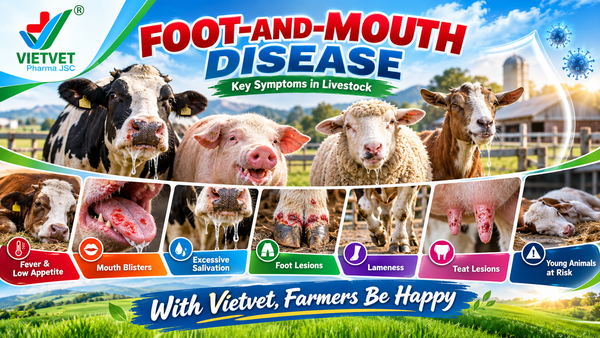
Common Symptoms of Foot-and-Mouth Disease
Clinical signs can vary depending on the animal species, virus strain, age and immune status. However, several characteristic symptoms may raise suspicion of Foot-and-Mouth Disease.
1. Fever and Reduced Appetite
Infected animals may develop fever, become tired and show reduced appetite. Milk production in dairy cattle can decrease noticeably.
2. Blisters in the Mouth
One of the most recognizable signs is the formation of fluid-filled blisters or vesicles in the mouth, tongue, gums and other oral tissues.
After the blisters rupture, painful erosions may develop. Animals may have difficulty eating and drinking because of mouth pain.
3. Excessive Salivation
Animals with oral lesions may produce excessive saliva. Drooling or foamy saliva can become particularly noticeable when lesions in the mouth are extensive.
4. Lesions on the Feet
Blisters and erosions can also occur around the feet, particularly between the claws and around the coronary band.
Affected animals may become reluctant to walk, show lameness or spend more time lying down.
5. Teat and Udder Lesions
In dairy cattle, lesions may develop on the teats and udder. This can make milking painful and contribute to a decline in milk production.
6. Sudden Death in Young Animals
Young calves, lambs, kids and piglets may develop heart damage associated with the infection. In some cases, sudden death may occur before obvious mouth or foot lesions become apparent.
Because these symptoms can overlap with other diseases, laboratory testing and veterinary investigation are important when Foot-and-Mouth Disease is suspected.
How Does Foot-and-Mouth Disease Spread?
The virus can spread very efficiently because infected animals may release large amounts of virus.
Transmission may occur through:
Direct contact between infected and healthy animals.
Aerosols and respiratory secretions, particularly under suitable environmental conditions.
Contaminated feed and drinking water.
Farm equipment, tools and animal-handling materials.
Vehicles moving between farms or livestock markets.
Clothing, footwear and hands of people who have contacted infected animals.
Movement of infected or contaminated livestock and animal products.
Pigs can be particularly important in amplifying the virus because infected pigs can produce and release large quantities of virus into the environment.
Therefore, controlling animal movement and strengthening farm biosecurity are essential for reducing the spread of Foot-and-Mouth Disease.
Factors That Increase the Risk of Infection
Several management practices can increase the likelihood of an outbreak.
Introducing new animals without appropriate health checks or quarantine can bring infection into a herd. Frequent movement of animals, shared equipment and uncontrolled visitors can also increase transmission risks.
Poor cleaning and disinfection practices may allow the virus to remain associated with contaminated materials and spread between groups of animals.
High stocking density can further increase the speed at which an infectious disease moves through a herd.
For these reasons, prevention of Foot-and-Mouth Disease should focus on reducing opportunities for the virus to enter and circulate within livestock farms.
How to Prevent Foot-and-Mouth Disease
Prevention requires a combination of vaccination, biosecurity, surveillance and responsible livestock management.
1. Follow Vaccination Programs
Vaccination can be an important tool for controlling Foot-and-Mouth Disease. Farmers should follow vaccination programs recommended by veterinary authorities and use vaccines appropriate for the relevant circulating serotypes and local epidemiological situation.
Vaccination does not replace biosecurity. Both measures should be implemented together.
2. Quarantine New Animals
Newly purchased or introduced animals should be managed carefully before joining the existing herd.
A proper quarantine period, health monitoring and veterinary assessment can help reduce the risk of introducing infectious diseases into the farm.
3. Control Farm Access
Limit unnecessary visitors and avoid allowing vehicles or equipment from other livestock farms to enter production areas without appropriate biosecurity measures.
Workers should use suitable protective clothing and footwear and follow farm hygiene procedures.
4. Clean and Disinfect Equipment
Regular cleaning and disinfection of animal housing, tools, transport equipment and frequently contacted surfaces can help reduce contamination.
Cleaning should remove organic matter before applying an appropriate disinfectant because dirt and organic material can reduce disinfectant effectiveness.
5. Monitor Animals Every Day
Early detection is important. Farmers should regularly observe appetite, movement, milk production, body temperature when appropriate and the condition of the mouth and feet.
Animals showing suspicious signs should be separated from healthy animals when practical and handled according to veterinary and regulatory guidance.
What to Do When Foot-and-Mouth Disease Is Suspected
If Foot-and-Mouth Disease is suspected, farmers should avoid moving potentially infected animals to other farms, markets or slaughter facilities.
Do not unnecessarily handle or transport suspected animals between groups. Restrict access to the affected area and strengthen biosecurity measures immediately.
Veterinary authorities should be contacted promptly so that appropriate diagnostic testing, reporting and disease-control measures can be carried out.
Because the disease is highly contagious and may have major implications for animal movement and trade, suspected cases should be managed according to the regulations of the relevant veterinary authorities.
Why Early Detection Matters
Early recognition of Foot-and-Mouth Disease can help reduce opportunities for the virus to spread to other animals and farms.
Farmers should pay particular attention to sudden increases in fever, excessive salivation, mouth lesions, lameness, reduced appetite and sudden illness or death among young animals.
However, these signs should not be used alone to confirm the disease. Several other livestock diseases can cause mouth or foot lesions, so professional veterinary diagnosis is essential.
Conclusion
Foot-and-Mouth Disease is one of the most contagious viral diseases affecting cloven-hoofed livestock. It can cause fever, mouth and foot lesions, excessive salivation, lameness, reduced productivity and, in severe cases, death in young animals.
Effective control depends on combining vaccination with strong farm biosecurity, animal movement control, quarantine, regular monitoring, cleaning and disinfection. When suspicious symptoms appear, farmers should act quickly and contact veterinary authorities for appropriate diagnosis and control measures.
By maintaining good preventive practices and responding rapidly to suspected cases, livestock producers can help protect animal health, reduce economic losses and limit the spread of Foot-and-Mouth Disease.
With Vietvet, Farmers Be Happy.
