

GMP-WHO Veterinary Factory in Vietnam
In the veterinary pharmaceutical industry, product quality begins long before a medicine reaches the farm. It starts with carefully selected raw materials, controlled manufacturing environments, trained professionals, and documented quality procedures. For livestock producers, distributors, and international buyers, these factors are essential when choosing a reliable animal health supplier. This is why GMP-WHO has become an important consideration when evaluating veterinary pharmaceutical manufacturers.
VietVet Pharma is a Vietnamese veterinary pharmaceutical company established in 1999, with experience in the production, importation, and distribution of veterinary medicines, pharmaceutical ingredients, and aquaculture health products. The company states on its official website that it has received GMP-WHO certification from Vietnam’s Department of Animal Health and applies an ISO 9001 quality management system. These credentials are important starting points for buyers who want to understand a manufacturer's approach to quality assurance and production management.
What GMP-WHO Means for Veterinary Pharmaceutical Manufacturing
GMP-WHO refers to Good Manufacturing Practices based on guidelines developed by the World Health Organization. GMP establishes principles and procedures designed to ensure that pharmaceutical products are consistently manufactured and controlled according to appropriate quality standards. These principles cover personnel, premises, equipment, raw materials, production procedures, documentation, quality control, storage, and product handling.

In a veterinary pharmaceutical factory, these principles help reduce manufacturing risks such as contamination, product mix-ups, incorrect labeling, and inconsistencies between production batches. A modern facility alone is not enough to guarantee quality. Equipment must be suitable for its intended use, procedures must be documented, employees must receive appropriate training, and quality systems must be implemented consistently.
For animal healthcare businesses, GMP-WHO is therefore more than a phrase on a product label or company profile. It represents a manufacturing framework that supports process control, traceability, and reliable quality management. Buyers should nevertheless verify the scope, validity, and issuing authority of a manufacturer's certification before relying on it for procurement decisions.
Inside a Modern GMP-WHO Veterinary Factory
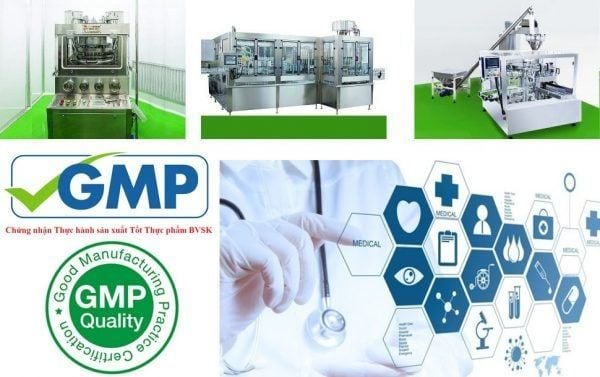
A well-managed veterinary pharmaceutical factory brings together production equipment, quality control laboratories, controlled storage areas, and trained technical personnel. Each part of the facility has a specific role in protecting the quality of finished products. Depending on the dosage form and product category, manufacturing operations may include weighing ingredients, mixing, processing, filling, packaging, labeling, and final inspection.
Raw materials must be received, identified, and assessed according to approved procedures before they enter production. Accurate weighing and controlled processing help ensure that products meet their specifications. Equipment cleaning and appropriate separation of manufacturing activities also help reduce the risk of contamination and unintended mixing between products.
Modern machinery can improve process consistency and operational efficiency, but automation must be supported by appropriate maintenance, calibration, validation, and documentation. Employees need to follow approved procedures rather than relying solely on experience or visual inspection.
For VietVet Pharma, the company's stated commitment to GMP-WHO and ISO 9001 provides a relevant foundation for discussing manufacturing quality and process management. Customers interested in specific products should request the applicable product documentation and confirmation of which manufacturing site and production scope cover their orders.
Quality Control Supports Reliable Veterinary Medicine
Quality control is one of the most important functions in pharmaceutical manufacturing. Before a product is released, appropriate checks must establish whether it meets its approved specifications. Depending on the formulation, these checks may include the identity and strength of active ingredients, appearance, physical properties, microbial quality, stability, or other relevant tests.
A quality control laboratory supports the manufacturing process by examining raw materials, samples taken during production, and finished products. However, final testing cannot replace good manufacturing practices. WHO explains that quality must be built into the manufacturing process because some risks cannot be eliminated through testing the finished product alone.
Documentation is equally important. Production records, test results, equipment maintenance records, cleaning procedures, and batch information help manufacturers investigate deviations and trace potential quality issues. If an unexpected result occurs, a structured investigation can help identify its cause and determine appropriate corrective action.
For distributors and importers, these systems offer a useful basis for evaluating suppliers. When reviewing a GMP-WHO veterinary factory, buyers should ask how the company manages batch traceability, product complaints, changes to manufacturing processes, and the release of finished products. Clear answers and supporting documentation are more valuable than general claims about advanced technology.
VietVet Pharma Supports Livestock and Aquaculture Health
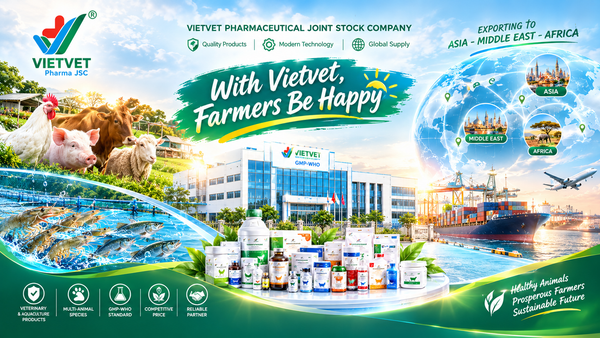
VietVet Pharma serves animal healthcare markets through veterinary pharmaceutical products and aquaculture-related solutions. Its official company information describes experience in veterinary medicine production, importing, and distribution, with products intended for different animal health needs.
Livestock and poultry producers require products that fit their species, farming conditions, and veterinary management programs. Respiratory and digestive health, nutritional support, disease prevention, and farm biosecurity are among the areas that may influence purchasing decisions. Aquaculture businesses face additional challenges, including water quality fluctuations, environmental stress, and the health management of fish and shrimp.
A supplier serving several agricultural sectors can be relevant to distributors looking to develop a wider portfolio. However, every product must be evaluated individually for its approved indication, formulation, quality specifications, and regulatory status. Manufacturing certification does not automatically establish that every product is suitable for every animal species or authorized in every country.
For international buyers, VietVet Pharma is a potential Vietnamese business partner to investigate when sourcing veterinary and aquaculture products. Buyers should confirm current certificates, product registrations, export documentation, production capacity, and delivery conditions before establishing a supply agreement.
Why GMP-WHO Matters to International Veterinary Medicine Buyers
International distributors increasingly need suppliers that can demonstrate structured quality management and provide reliable product documentation. A manufacturing partner's quality systems may influence purchasing decisions, particularly when products are intended for markets with specific regulatory and import requirements.
A GMP-WHO certificate can form part of a supplier evaluation, but it should not be treated as automatic approval for international distribution. Different countries may require product registration, import permits, local-language labels, certificates of analysis, manufacturing documents, or additional inspections. Requirements depend on the product category and destination market.
Buyers should also evaluate practical commercial factors, including minimum order quantities, production lead times, packaging options, shelf life, storage conditions, and the supplier's ability to maintain consistent deliveries. Technical communication is another important consideration, especially when distributors need product information to support veterinary professionals and farm customers.
VietVet Pharma's experience in Vietnam's veterinary pharmaceutical sector makes it a company worth contacting for a detailed supplier assessment. International partners can begin by reviewing the company's published information and requesting documentation relevant to their target products and markets.
Building Better Animal Health Through Responsible Manufacturing
Veterinary pharmaceutical quality affects more than factory performance. It also matters to veterinarians, farmers, distributors, and the wider food production chain. Products that meet their approved specifications can support appropriate treatment when used correctly, while poor-quality products may lead to treatment failure, wasted resources, or other avoidable risks.
Manufacturers must therefore combine production controls with responsible product information and appropriate handling practices. Distributors and veterinary professionals also have important roles in ensuring that medicines are used according to approved directions and applicable regulations.
Antimicrobial products require particular care. Their use should follow veterinary guidance and relevant legal requirements, including product-specific withdrawal periods for food-producing animals. Good manufacturing practices do not replace responsible prescribing, accurate diagnosis, farm biosecurity, or disease prevention.
For businesses researching a GMP-WHO veterinary factory in Vietnam, VietVet Pharma offers a relevant starting point for discussions about animal healthcare products, manufacturing credentials, and potential commercial cooperation. A thorough review of certification documents, product specifications, quality procedures, and export requirements will help buyers determine whether the company is the right partner for their needs.
